9+ curated guides • Updated October 2025
Let's get one thing straight: you're not buying a family heirloom in the H&M men's accessory aisle. But dismissing it as 'cheap' is the biggest mistake you can make. What if its trendy, low-cost nature isn't a bug, but a feature—your secret weapon for test-driving luxury looks without the high-stakes price tag? This is about treating the fast-fashion jewelry rack not as a destination, but as a strategic laboratory. It’s your personal style incubator, a place to prototype your next aesthetic move before committing serious capital. Forget forever-pieces; think of this as a temporary pass to the VIP style lounge. You're here to experiment, to fail cheaply, and to ultimately discover what version of 'you' is worth investing in.
A multi-million dollar premiere is hours away, the flashbulbs are waiting, and a tell-tale tingle appears on a star's lip. For a celebrity, this isn't just a minor inconvenience; it's a potential PR crisis that can dominate headlines. Forget the drugstore remedies—this is a look inside the covert playbook of stylists, publicists, and makeup artists who are the first responders in a red-carpet cold sore catastrophe. In my years navigating the shark-infested waters of Hollywood, I've seen a tiny blister derail a press tour faster than a bad box office report. What the public sees is a flawless smile; what I see is a masterful execution of what we call the 'Three-Pronged Defense,' a symphony of subterfuge designed to protect the star, the brand, and the bottom line.
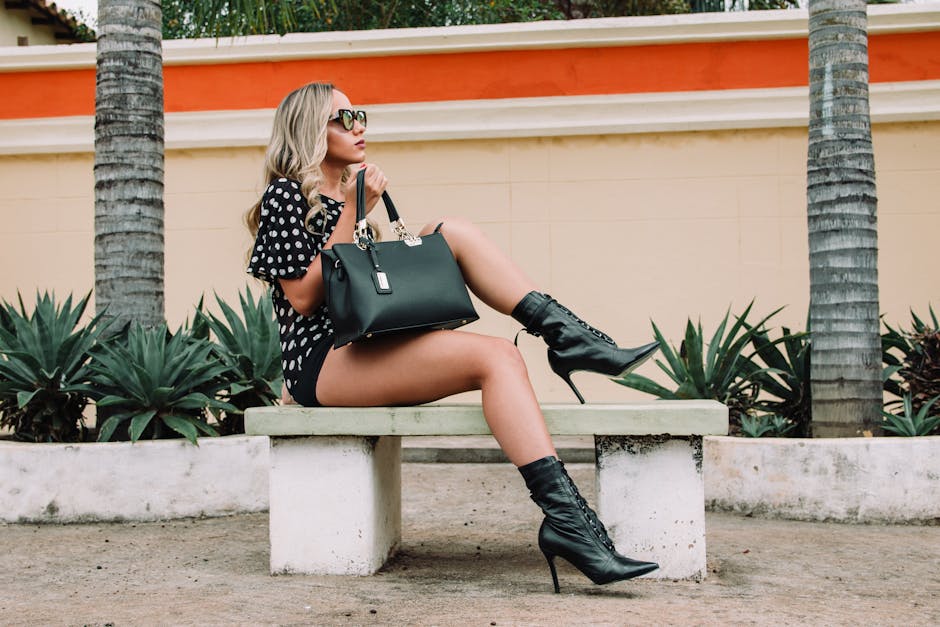
Remember 2022? The year crescent bags hung from every arm and vibrant, dopamine-inducing colors dominated our feeds. While the thrill of snagging that must-have bag was real, we're asking the tougher question now: was it a smart investment? We audited 2022's biggest handbag darlings to see which ones have appreciated in value and which ones were just expensive, fleeting moments. This isn't a style retrospective; it's a financial post-mortem. We're treating these bags like the assets they were marketed as, evaluating their performance with the cold, hard data of the secondary market. Prepare to see which purchases are now paying dividends and which have become cautionary tales.
Every November 1st, our feeds are flooded with a sea of celebrity Halloween photos, but are we looking at them all wrong? Forget simply rating who had the 'best' costume; we're here to analyze who had the smartest. This is the official breakdown of the celebrity looks that served as brilliant cultural commentary—and the ones that completely missed the mark.
You glance at your wrist, but not for the time—you're clearing a dozen notifications from your smartwatch. Retro style is more than just a nostalgic aesthetic; it's a quiet rebellion. We'll explore the specific accessories—from analog watches to fountain pens—that serve as stylish anchors to the real world, helping you log off without feeling left out. As someone who once lived by the dopamine drip of notifications, I can tell you that the path back to sanity isn't a Luddite-style rejection of technology. It's a conscious, curated embrace of its opposite. It’s about choosing tools that serve you, not the other way around. These retro accessories are not costumes; they are functional instruments of mindfulness, designed for a world that has forgotten the value of doing one thing at a time.
Long before a celebrity's DMs were flooded with emojis, their mailboxes were overflowing with secrets, confessions, and tangible pieces of their fans' lives. This isn't just about letters; it's about a lost form of connection that held a power and intimacy modern fan culture can only dream of. As a historian of fame's forgotten artifacts, I've spent years sifting through these paper trails, and they represent far more than simple adoration. They are time capsules of societal hopes, anxieties, and the very mechanics of how we once manufactured gods from mortals. Each stamped envelope, each carefully chosen sheet of stationery, was a vote of confidence, a plea for help, or a piece of unsolicited advice delivered with an effort that a modern 'like' or 'follow' simply cannot replicate. This physical correspondence was the original social media—slower, more deliberate, and infinitely more revealing.
Some accessories are meant to invite you in, but the mesh glove does the opposite—and that's precisely its power. It’s a delicate barrier, a web of threads that says 'look, but don't touch.' We're not just talking about a fleeting trend; we're decoding the psychological allure of fashion's most enigmatic accessory. Unlike a friendly bracelet or an open-collared necklace, the mesh glove is a conscious act of separation. It veils the hands, our primary tools for interaction and touch, transforming them from instruments of connection into objects of aesthetic contemplation. This deliberate obscuring of the skin creates a tension between visibility and inaccessibility, a dynamic that is at the core of its profound psychological impact. It is not a shield of aggression, but a filter of intention, allowing the wearer to control the narrative of their own accessibility.
Forget what you think you know about past trends. The jewellery fashion of 2022 wasn't just a collection of fleeting fads; it was a dress rehearsal for the world we live in now. Look closer, and you'll see those seemingly random styles were actually precise clues, predicting the socio-economic shifts and aesthetic obsessions that define our current style landscape. That year, our jewellery boxes became a battleground of ideas. On one side, the jubilant, almost childlike explosion of colourful beads and Y2K-inspired charms. On the other, the stoic, weighty presence of chunky gold chains and timeless pearls. These weren't opposing forces; they were two distinct prophecies foretelling the dual consciousness of today's culture: a desperate search for uninhibited joy and a simultaneous retreat into the safety of tangible, lasting value. In this article, we'll dissect these clues and reveal how the jewellery we wore then laid the complete groundwork for the style narratives we live by today.
We remember the era for its glittery butterfly clips and candy-colored sunglasses, often dismissing it as a quirky, slightly cringe trend. But what if that explosion of playful, disposable glamour wasn't just a fashion moment, but a direct symptom of the dot-com bubble's manic optimism? This is the untold story of how irrational economic exuberance bedazzled itself onto our belts and bags. These weren't just adornments; they were low-stakes stock options in a future that seemed limitlessly bright and technologically fabulous. To understand the plastic fantastic world of Y2K accessories is to understand the giddy, precarious mindset of an economy on the brink of both breakthrough and collapse.